
Clubs and Their First European Titles: Breaking Through
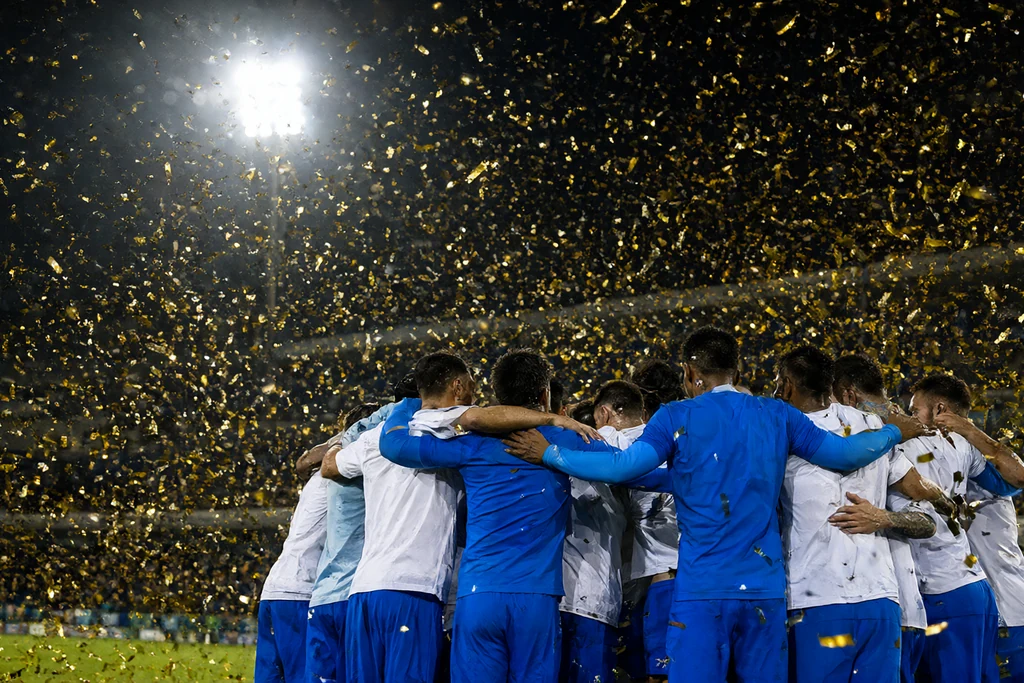
Every champion has a first time, and the first time is usually the story of a single team rather than a long build. A club that has never won the competition can only break through when everything aligns at once.
A first title needs an exceptional side
Because the competition is won by the best teams in Europe, a club without a title usually needs a side that is better than its resources suggest. That side is often the product of a generation of players developed or assembled together.
The alignment is delicate. A strong side must coincide with a favourable draw and with a performance at the summit, and the window in which all three exist at once is usually short.
The role of the manager and the squad
First titles are often associated with a manager who builds a recognisable style and a squad that buys into it. The team becomes greater than the sum of its parts, which is exactly what the competition rewards.
Once the side breaks up, the advantage fades. That is why a first title does not always lead to a second, and why the clubs that repeat are the ones that can rebuild.
What changes after a first title
A first title changes a club's standing permanently. It enters the roll of champions, it is measured differently in future draws, and its place in the history of the competition is fixed.
The change is not only reputational. A first title brings revenue, credibility and the ability to attract better players, all of which can help a club stay at the summit rather than visit once.
First titles and the format
Some formats make a first title easier. A knockout with a single final can be won by a well-organised side on one night, while a long league phase rewards depth and tends to favour established clubs.
That is why the history of first titles is uneven across eras. The modern format is harder for an outsider to win, and the first titles of recent decades have tended to belong to already strong clubs.
Reading the first-title record
The list of clubs with a first title is a record of arrivals. It shows which clubs broke through at which moment, and it explains why the roll of champions includes names that no longer compete at the top.
For a reader, a first title is the moment a club becomes part of the permanent record. It is the one night that can never be taken away, and it is why the archive gives every champion the same listing.
- Every champion has a first title, usually won by one exceptional side.
- A first title requires a strong team to coincide with a good draw.
- The window in which a club can break through is usually short.
- A first title permanently changes a club's standing in the record.
- Some formats make a first title easier; the league phase makes it harder.
- The list of first titles is a record of arrivals, era by era.
| Before | After | Effect |
|---|---|---|
| Not in the roll | Forever a champion | Permanent record |
| Measured by potential | Measured by trophies | Reputational change |
| Hard to attract players | Easier to attract players | Revenue and credibility |
| One good run | A standard to repeat | Expectation rises |
A first title is the hardest one to win and the one a club remembers longest. It turns a good side into a permanent entry in the roll of champions, and it is why the archive holds clubs that visited the summit once alongside those that have lived there.