
How the Host of the Champions League Final Is Chosen
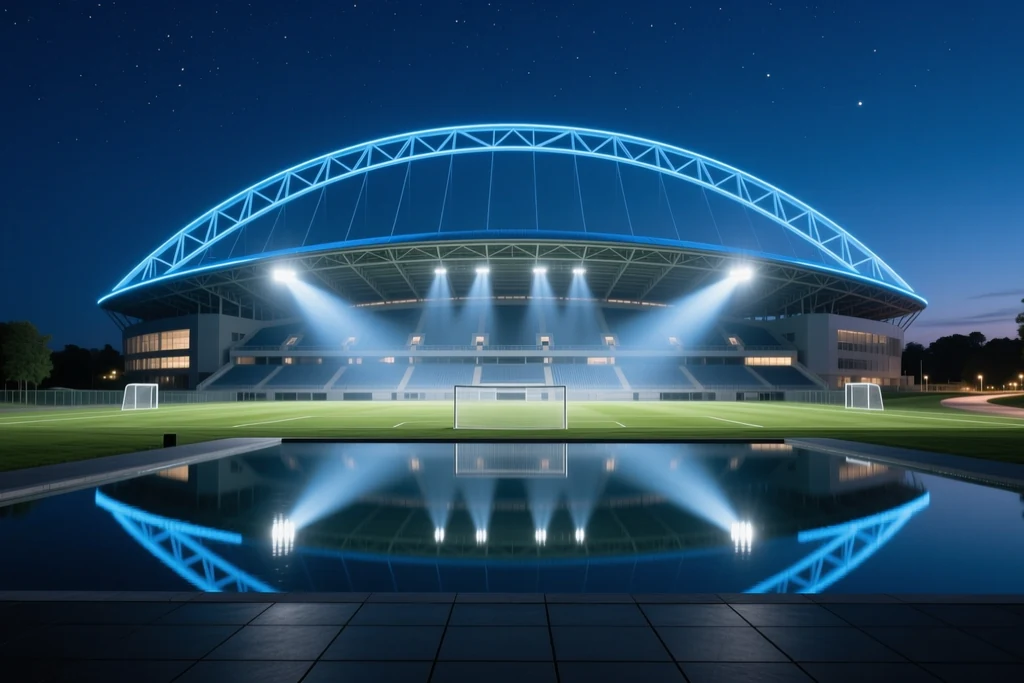
The venue for the final is not decided when the finalists are known. It is awarded years ahead through a formal process, and the criteria are the reason the list of hosts is dominated by a limited group of cities.
A decision made years ahead
The host is selected well before the season in which the final is played, which gives the venue, the city and the supporters time to prepare. It also means the final has a known destination long before the clubs that will play in it are decided.
A long lead time is necessary for a major event. Transport, accommodation, security and broadcasting all require planning that cannot be compressed into the months between a semi-final and a final.
The criteria
A host must offer a stadium of sufficient capacity, a city able to handle a large influx of visitors, and the infrastructure to stage an international event. Those requirements are published and applied to every candidate.
The criteria also cover technical matters such as pitch quality, floodlighting, media facilities and the space needed for the ceremony that surrounds the final, all of which a stadium must satisfy to be considered.
Why the process is formal
A formal process protects the competition from accusations of favouritism. Because the criteria are published and the award is made in advance, the choice can be explained by the requirements rather than by influence.
It also improves the event. A host that has been assessed and selected on merit is more likely to provide the standard of stadium and organisation that a final of this size demands.
The rotation across the continent
The awards are spread across the continent over time, so the final reaches different countries and gives different supporters the chance to attend. The rotation is not strict, but the pattern is broad.
The spread matters because the competition is continental. A final that stayed in one part of Europe would contradict the tournament's identity, so the host process deliberately looks across the whole map.
Reading the host criteria
The criteria explain the host list better than any other factor. They show why a few cities recur and why some countries host only once, and they make the choice a matter of requirements rather than preference.
For a reader, the process is the quiet machinery of the final. The match is decided on the pitch, but the place where it is decided is chosen by a set of standards applied years in advance.
- The final host is chosen years before the match is played.
- Published criteria cover capacity, infrastructure and event experience.
- A long lead time is needed for transport, security and broadcasting.
- The formal process protects the choice from accusations of favouritism.
- Awards are spread across the continent over time.
- The criteria explain why a few cities host repeatedly.
| Requirement | Purpose |
|---|---|
| A stadium of sufficient capacity | To hold the final and its crowd |
| City infrastructure | To absorb a large influx of visitors |
| Technical standards | Pitch, lighting and media facilities |
| A long lead time | To plan transport, security and ceremony |
The host process is invisible to most supporters and essential to the final. It decides where the trophy will be lifted years before anyone knows who will lift it, and its published criteria are the reason the final is always staged to a standard the occasion demands.