
The Single-Match Final: One Night, One Trophy in Europe
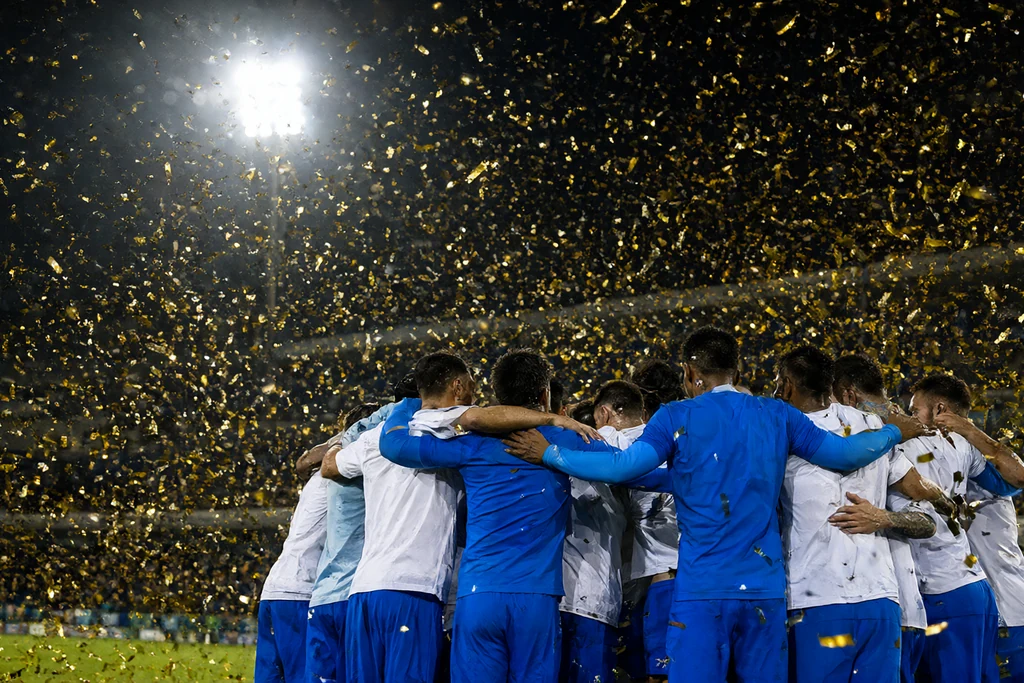
Every round of the competition is played over two legs except the last. The final is a single match, and that one fact is what gives it its power: a season of work is settled in one night, with no correction and no second chance.
Why the final is a single match
A single final is what makes the occasion. Two legs would dilute the drama into an aggregate, and the competition wants its showpiece to be decided in one match, at one venue, in front of a global audience.
The format also separates the final from the rounds before it. Through the knockout, depth and consistency decide a tie; in the final, a single performance decides the trophy, and the two tests are deliberately different.
What it means for the clubs
A single match removes the safety of a second leg. A slow start cannot be repaired, a bad half cannot be offset, and a single mistake can decide a season. The pressure is concentrated into ninety minutes.
That concentration is why finals are often cautious. Both sides know that one error can cost the trophy, so they protect the match, and the result is usually a tight contest decided by a moment.
The role of luck
A single match is a small sample, so it contains more luck than a two-legged tie. A deflected goal, a marginal decision or a moment of brilliance can decide the trophy, and the best side on paper does not always win.
That is a feature rather than a flaw. The competition wants a champion decided on the pitch, and a single final accepts that one night can produce a surprising result in a way a long format would not.
Preparation for one match
Clubs prepare for a final as a single event. Training is planned around one match, the squad is managed to peak for one night, and the tactical plan is built for a specific opponent.
That preparation is different from the routine of a season. There is no next week to fix anything, so the final demands a plan that accounts for every scenario, including extra time and penalties.
Reading the final as the competition's conclusion
The single-match final is the point at which the competition's whole structure converges. A league phase, a playoff and three knockout rounds all reduce to one match that decides the trophy.
For a reader, that structure explains the final's enduring appeal. A season is long, and its ending is short, and the contrast between the two is the competition's most distinctive characteristic.
- The final is the only single-match round in the competition.
- A season's work is decided in ninety minutes, with no second leg.
- A single match removes the safety of an aggregate.
- The format accepts more luck than a two-legged tie.
- Clubs prepare the squad and the plan for one specific night.
- The final is where the whole structure of the competition converges.
| Format | Used in | Decided by |
|---|---|---|
| Two legs | Playoff and all knockout rounds | Aggregate over 180 minutes |
| Single match | The final | One performance, one night |
The single-match final is the competition's signature. It compresses a season into one night, accepts the luck that a single sample brings, and produces the moment that every club in Europe works towards from the first matchday of the league phase.