
European Nights and the Culture of the Competition
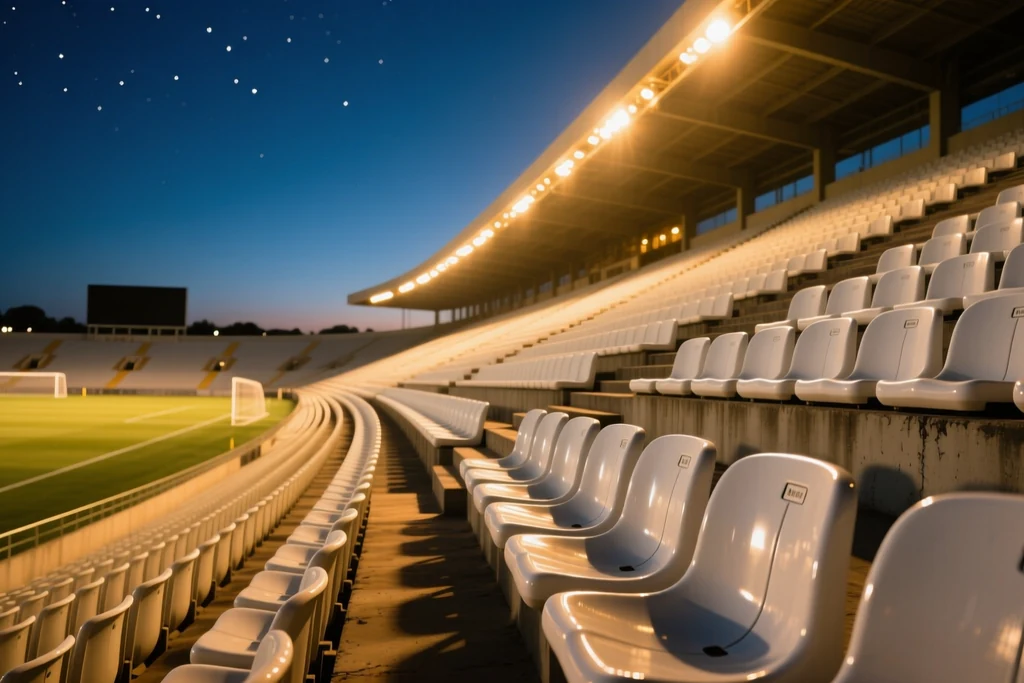
In the football calendar, some matches are different from the rest, and the European night is the clearest example. A midweek fixture in the continental competition carries an atmosphere of its own, and the culture around it has grown up over the decades in which the tournament has been played.
What makes a European night
A European night is defined by its setting. The match is played under floodlights in midweek, the anthem sounds before the kick-off, and the stadium fills with supporters of two clubs from different countries, which together produce an atmosphere that a domestic fixture does not have.
The competition supplies the frame. Because the tournament is continental, every match is an encounter between clubs from different leagues, and that difference gives the night its character long before the game begins.
The travelling supporters
Supporters travel across the continent to follow their clubs, and their presence is part of the culture of the competition. An away end filled with travelling fans gives a European night a colour and a sound that a domestic match rarely produces.
The travel is part of the occasion. A European away trip is a journey as well as a match, and the supporters who make it bring the atmosphere of the competition to stadiums across the continent.
The atmosphere of a knockout tie
The knockout rounds raise the atmosphere further. A two-legged tie gives each club a home match and an away match, and the second leg, with its aggregate score, turns a European night into a contest that can turn in a single moment.
The stakes are audible. A tie that is level on aggregate, or a team chasing a deficit, produces a tension that shapes the mood of the crowd, and the culture of the competition is built on nights like these.
The culture of the competition
Over the decades, the European night has gathered a culture of its own. Its symbols, its anthem and its floodlit setting are recognised across the continent, and supporters who have never met share a sense of what the competition's matches feel like.
That culture is the product of repetition. Because the tournament returns every season and its matches look and sound alike, the European night has become a recognisable part of the football year, as familiar as a domestic Saturday.
Reading the culture
The culture of European nights should be read as the competition's atmosphere in full. It is made of travel, floodlights, the anthem and the tension of a knockout tie, and it surrounds the football rather than belonging to any single match.
For a reader, the culture explains why the competition matters beyond its results. A European night is an occasion as well as a fixture, and the atmosphere around it is one of the reasons the tournament has held its place at the top of the club game.
- A European night is played under floodlights in midweek.
- The anthem sounds before the kick-off.
- Supporters travel across the continent to follow their clubs.
- Knockout ties raise the atmosphere further.
- The symbols of the competition are recognised across Europe.
- The culture has grown through decades of repetition.
| Element | Its effect |
|---|---|
| Floodlights and midweek | A setting unlike a league match |
| Travelling supporters | Colour and sound from across Europe |
| A knockout tie | Tension carried by the aggregate |
The European night is the competition's atmosphere in full. Floodlights, the anthem, travelling supporters and the tension of a knockout tie make an occasion of every match, and the culture built around it has become a fixed part of the football year.