
The Clubs That Have Won the Womens Champions League
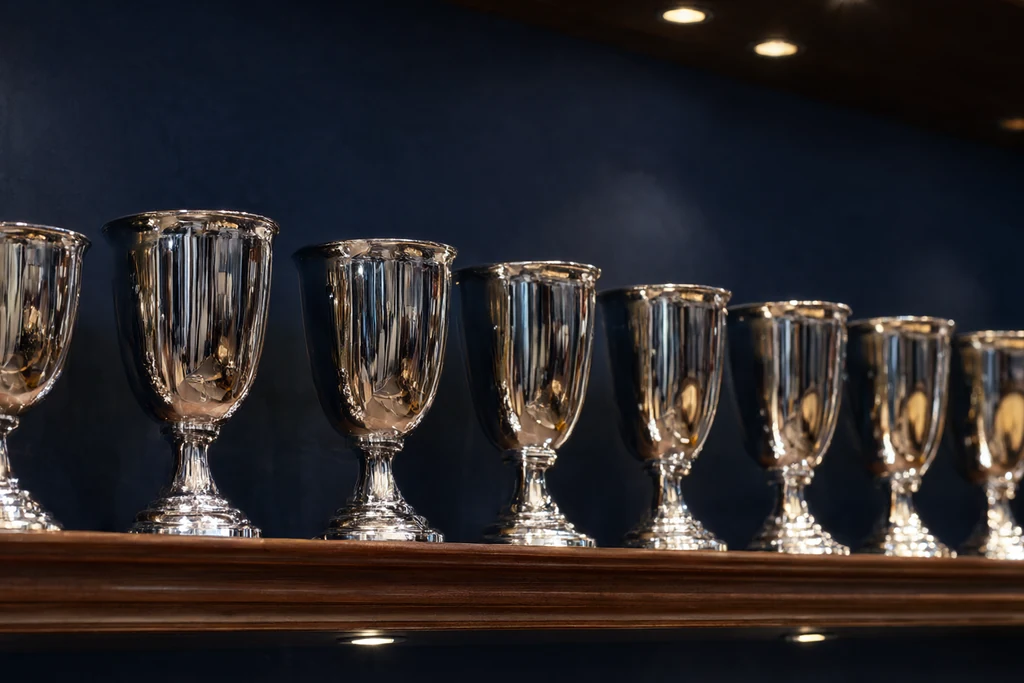
The roll of women's champions is shorter than the men's, because the competition is younger, but it already has its dynasties. A few clubs have won the title repeatedly, and their names dominate the history of the tournament, while the list below them continues to grow as the game widens.
The record winners
One club has won the women's title more often than any other. Its run of victories across several seasons made it the dominant side of the competition's modern era, and its total stands at the top of the roll of champions.
The record is a mark of consistency. The club did not win once and disappear; it returned to the final season after season and won it repeatedly, and that sustained success is what places it above every other side in the history of the tournament.
Other repeat winners
Behind the leaders sit a small group of clubs with more than one title. Several of them won in different eras, and their totals are the sum of separate strong sides rather than one long run, so the roll of honour reflects the reach of the women's game across the continent.
The repeat winners come from several countries. The competition is European, and its champions have been drawn from different leagues, which is why the roll of honour is both concentrated at the top and broad beneath it.
The early champions
The first winners belong to the competition's early years. When the tournament was a knockout for the champions of Europe, a handful of clubs took the early titles, and their names sit at the start of the roll of honour that the modern competition continues.
Those early titles still count. The rebrand of the late 2000s renamed the competition, but the history was carried forward, so the winners of the early years are counted in the same roll as the champions of the modern game.
The modern dynasty
The modern era has had its own dynasty. One club's run of titles across the 2010s and 2020s made it the defining side of the period, and its success lifted the competition's profile along with its own total, drawing attention to the women's game across Europe.
The dynasty has shaped the competition. Its dominance set the standard for the rest of the field, and the response of other clubs, in investment and in performance, is part of the reason the tournament has grown stronger behind it.
Reading the roll of winners
The roll of women's champions should be read as a young history with a clear shape. A single club sits at its top, a handful of others follow, and the list widens as it descends, so the concentration of the early years is giving way to a broader field of winners.
For a reader, the roll is the record of success in the women's competition. It names the clubs that have lifted the trophy and how often, and it shows how a growing tournament has produced both a dynasty and an expanding list of champions behind it.
- One club has won the women's title more often than any other.
- A handful of clubs have won it multiple times.
- The early winners belong to the competition's first years.
- The rebrand carried the early history forward.
- The modern era has had its own dominant side.
- The roll of champions is widening as the game grows.
| Position | What it holds |
|---|---|
| Record club | More titles than any other side |
| Repeat winners | Clubs with more than one title |
| Wider field | A growing list of champions |
The roll of women's champions is a young history with a clear shape. A single club leads it, a small group follows, and the list widens below, so the concentration of the early years is giving way to a broader field as the women's game in Europe grows.