
Stadiums That Have Hosted the Final More Than Once
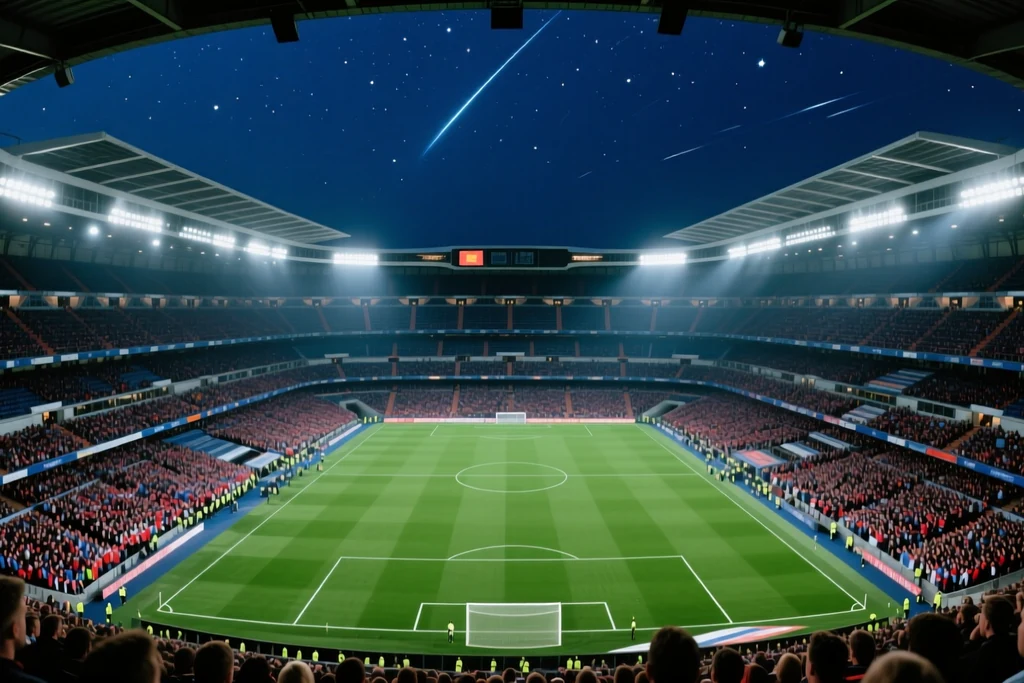
Most stadiums host the final once or never. A small number have held it several times, and those venues have become associated with the competition in a way that a single hosting cannot achieve.
Why some stadiums repeat
A stadium hosts the final repeatedly when it combines a large capacity with a city that can handle the event. Those conditions are rare, and the venues that meet them tend to be invited back.
History also plays a part. A stadium that has staged a memorable final is a known quantity, and the competition benefits from returning to a venue with the infrastructure already proven.
The venues at the top
The stadiums with the most finals are among the most famous in Europe, and each has been the setting for multiple editions. Their names are bound to the history of the final even though the competition itself has no home.
Their repeating presence is not favouritism but arithmetic. There are only so many stadiums of the required size in cities able to host, and those venues are inevitably asked to host more than once.
What a repeat hosting means
Hosting the final more than once gives a stadium a place in the competition's history that a single hosting does not. Supporters associate the venue with the trophy, and its name becomes part of the archive.
The association is reinforced by memory. A stadium that has hosted a great final is remembered for that match, and the repeat hostings accumulate into a reputation.
The effect on the competition
Repeat venues help the competition plan. A stadium that has hosted before is a known quantity, so the logistics, security and ceremony can be prepared with confidence, which reduces risk for a major event.
The trade is a degree of repetition. The final returns to familiar places more often than the spread of the continent might suggest, and that tension between novelty and reliability shapes the host list.
Reading the stadium record
The stadium record is the most concrete part of the final's history. It names the venues that have become recurring homes of the trophy, and it explains why certain cities appear again and again.
Read alongside the host cities, it shows how narrow the top of the list is. A few venues carry a large share of the finals, and everything else is spread thinly across the continent.
- Most stadiums host the final once or never.
- A small number have hosted it several times.
- Repeat hosts combine large capacity with a city able to stage the event.
- A repeat hosting gives a stadium a permanent place in the archive.
- Known venues reduce the risk of staging a major international final.
- The repetition trades novelty for reliability.
| Factor | Effect on hosting |
|---|---|
| Capacity | Able to hold the final's crowd |
| City infrastructure | Able to host a major event |
| Proven record | Trusted to stage it again |
| History | Associated with memorable finals |
The stadium record shows how concentrated the top of the final's history is. A few venues have become recurring homes of the trophy, and their names are as much a part of the archive as the clubs that have lifted it there.