
Host Cities That Have Staged the Champions League Final
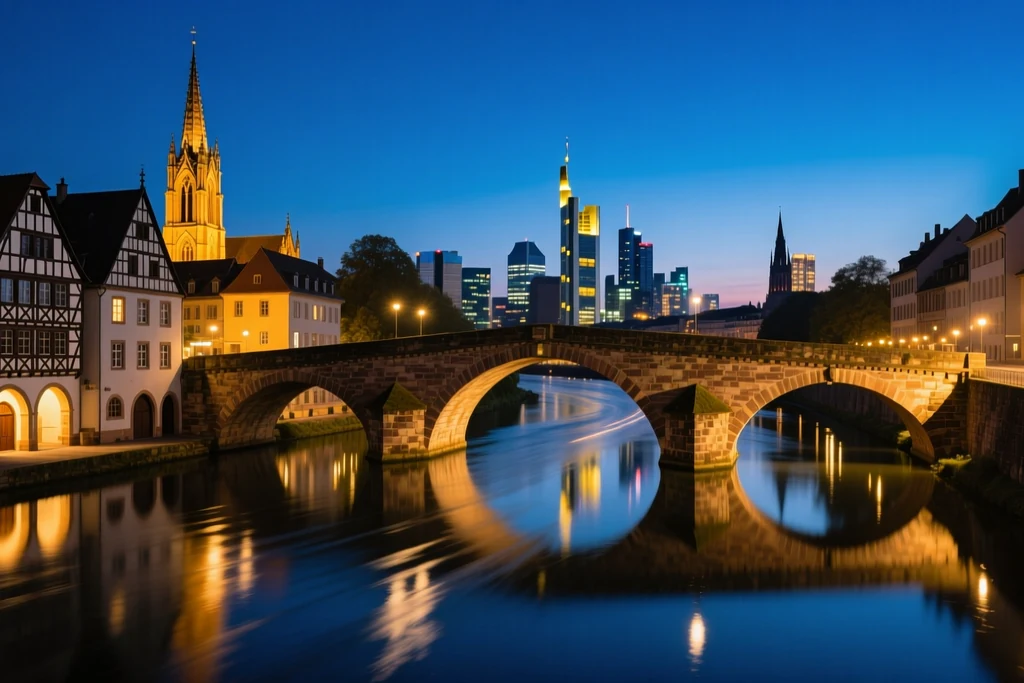
The final of the competition is a fixture without a home. It is awarded to a city in advance, so the venue moves around the continent, and the roll of host cities is a record of where European football has chosen to hold its biggest night.
Why the final travels
A neutral final is what makes the competition continental. If the final were played at the ground of one of the finalists, the competition would grant a home advantage that its rules otherwise avoid.
Travelling the final also spreads its benefits. A host city gains a major event, and supporters of clubs across Europe have a chance to see the trophy decided in a different part of the continent over time.
The cities that recur
A small group of cities has hosted the final more than once, usually because they hold a stadium of the required size and the infrastructure to stage a major event. Those cities form the backbone of the final's history.
The recurrence is practical rather than sentimental. The competition needs a stadium with a large capacity, modern facilities and a city able to absorb a large travelling crowd, and only a limited number of places can provide all three.
The spread across the continent
Between the recurring hosts, the final has travelled widely, reaching cities in western, southern, central and eastern Europe. The spread is deliberate, because a continental competition is expected to be seen across the continent.
That spread also gives the final a different character each year. The setting changes, the crowd changes, and the match is played against a different backdrop, which is part of the event's appeal.
What a host city provides
A host city must provide a stadium, transport, accommodation and the security arrangements for a major international event. Those requirements are set out years in advance and are the reason the host is decided so early.
Meeting them is a serious undertaking, which is why the roll of hosts is dominated by cities that have the infrastructure and the experience to stage a final repeatedly.
Reading the roll of hosts
The roll of host cities is a map of the competition's relationship with the continent. It shows which cities have been trusted repeatedly and which have been brought in once, and it changes only by one entry each year.
For a reader, the host list is also a reminder that the final is designed as an event. The venue is not incidental to the match; it is part of what makes the final the competition's signature occasion.
- The final is played at a host city, not at a finalist's home ground.
- Hosts are chosen in advance, so the venue is a neutral one.
- A small group of cities has hosted the final more than once.
- Hosts need a large stadium and the infrastructure for a major event.
- The final has travelled widely across the continent between the recurring hosts.
- The roll of hosts grows by one entry each year.
| Requirement | Why it matters |
|---|---|
| Stadium capacity | To stage the competition's biggest event |
| Transport links | To move a large travelling crowd |
| Accommodation | To house supporters from across Europe |
| Event experience | To manage security and ceremony |
The roll of host cities is the geography of the final. It shows where the competition has chosen to crown its champions, and because the choice is made years ahead, it is also a statement of where the tournament intends to be seen next.