
The Anthem That Opens Every Champions League Night
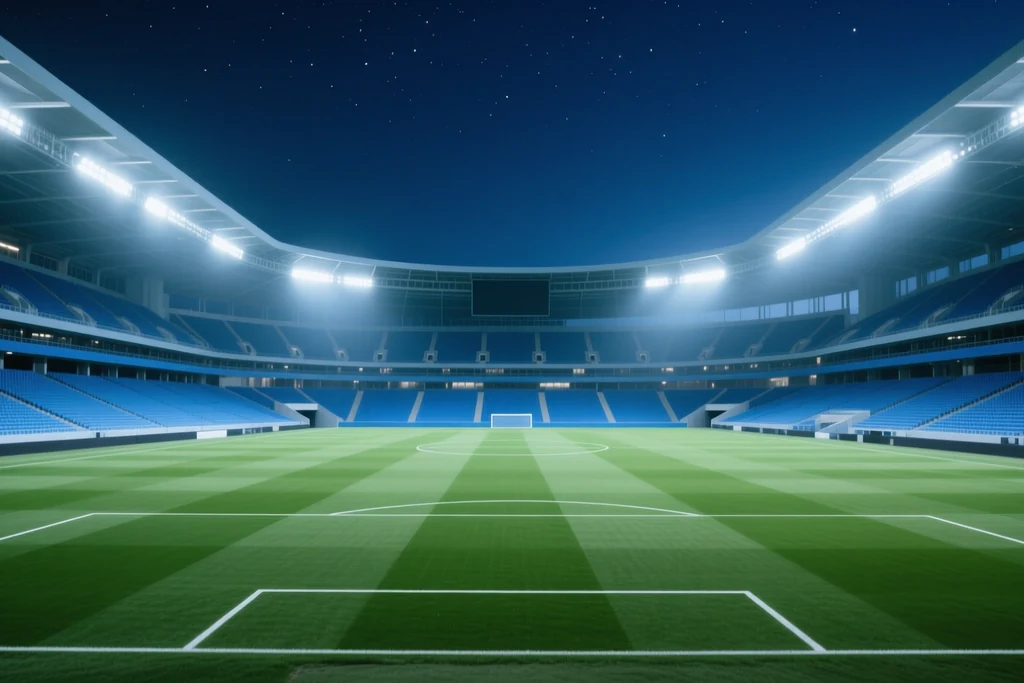
Nothing in the competition is heard as often as the anthem. It plays before every match from the group stage to the final, and for a supporter it is the cue that a European night has started, more familiar than any scoreline and older than most of the clubs that hear it.
What the anthem is
The anthem is a short piece of music played before the start of a Champions League match. It was written for the competition and it is performed in the stadium as the teams line up, so it belongs to the ceremony of the night rather than to the football itself.
Its melody is built around the idea of a grand occasion. The music is ceremonial, and it is meant to mark the match as something beyond an ordinary fixture, which is why it accompanies the arrival of the teams rather than the kick-off.
Where it came from
The anthem was commissioned for the rebranded competition in the early 1990s. When the European Cup became the Champions League, the tournament gained a name, a visual identity and a song, and the three together made the rebrand a complete presentation of the competition.
It has played ever since. Because the anthem was written for the competition rather than for any club, it could be heard at every match, and its repetition across three decades has made it one of the longest-serving elements of the modern tournament.
Why it matters to supporters
For supporters, the anthem marks the beginning of something. A European night differs from a domestic fixture, and the music tells the crowd that the match ahead is part of the continental competition, so it frames the evening in a way a whistle cannot.
The association is built by repetition. Because the same music plays at every match, it becomes attached to the feeling of a European night, and a supporter who hears it away from the stadium still recognises the competition at once.
The words and the language
The anthem carries words in several European languages. That choice reflects the competition itself, which belongs to no single country, and it gives the music a continental character rather than a national one.
The multilingual text is part of the design. A competition that gathers clubs from across the continent uses a song that does not belong to any one language, and the anthem announces the tournament as European in its very sound.
Reading the anthem
The anthem should be read as the competition's opening ritual. It is the moment the tournament presents itself, before the football begins, and its place in the ceremony is as fixed as the trophy itself.
For a reader, the anthem is the quickest way to recognise a European night. The music, the floodlights and the teams in a line make up the tableau that the competition repeats around the continent, and the anthem is its sound.
- The anthem plays before every Champions League match.
- It was written for the rebranded competition in the early 1990s.
- It accompanies the arrival of the teams rather than the kick-off.
- Its repetition across the decades made it a symbol.
- It carries words in several European languages.
- It marks a European night as different from a domestic fixture.
| Element | Role in the ceremony |
|---|---|
| The music | Announces a European night |
| The moment | Before kick-off, as the teams line up |
| The languages | A continental rather than national song |
The anthem is the competition's opening sound. Played before every match from the group stage to the final, written for the rebranded tournament in the early 1990s, it has become the cue that tells a stadium, and a continent, that a European night has begun.